

The Data Doesn’t Lie: Debunking Stagflation
Madeleine Armstrong '25

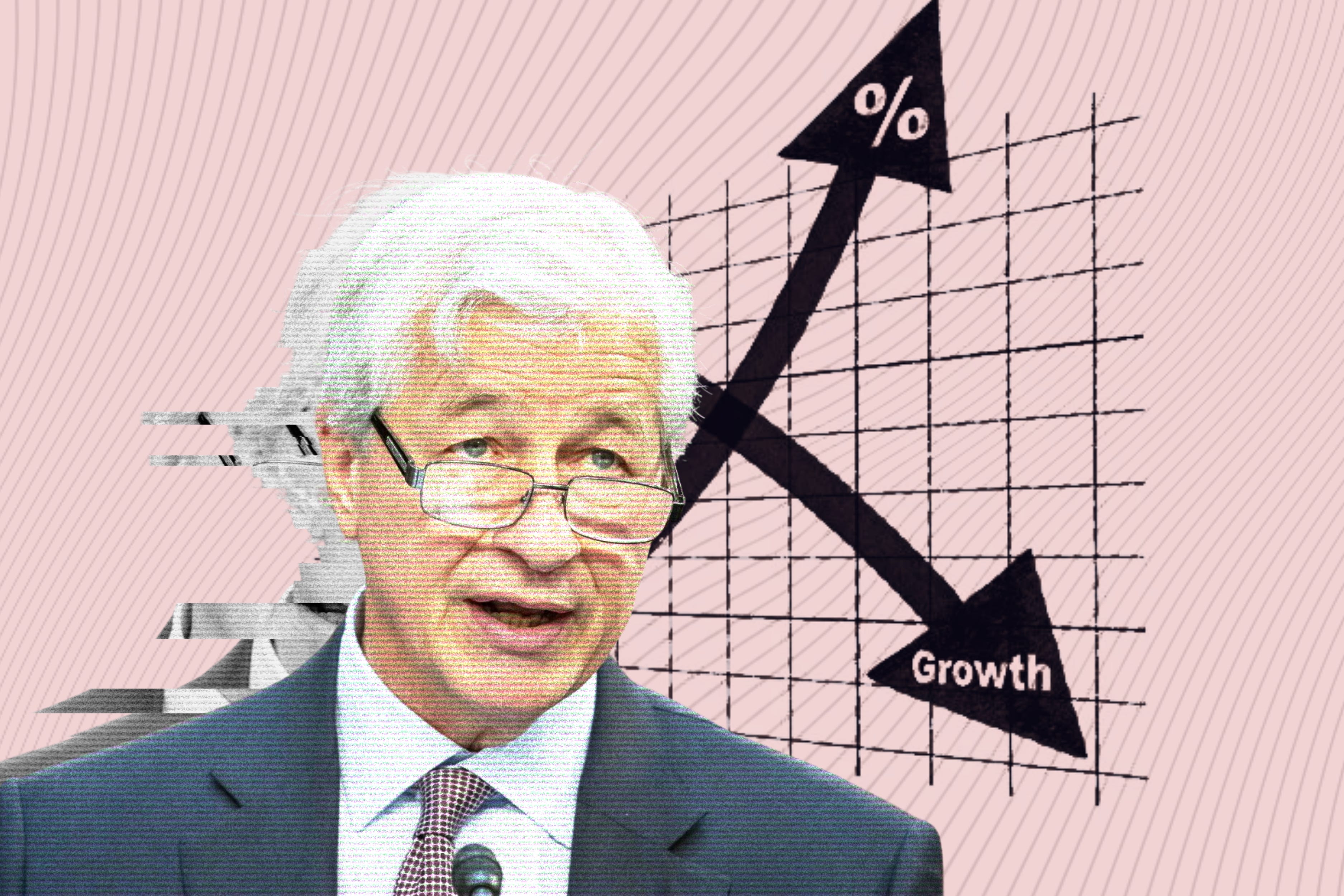
If you have been staying up-to-date on the United States’ economic news, you may have noticed a couple of headlines involving stagflation. On March 11th, Jamie Dimon, JPMorgan’s CEO, stated that the worst-case scenario for the economy in the next year or two could be stagflation. Even if you do not know what stagflation is, this possibility, coupled with continued worries about a recession and continued inflation, sounds alarming.
Moreover, many Americans—perhaps including yourself—are not feeling particularly great about the current economy. A February poll from Monmouth University revealed that 40% of Americans do not feel they have benefitted from the strong economy.
Anecdotal news stories about consumer sentiment regularly reflect a gloomy outlook in contrast to recent positive economic indicators. Despite these concerns, economists such as Treasury Secretary Janet Yellen are skeptical of stagflation predictions. Considering this, what is stagflation, and why are some analysts concerned?
Traditionally, stagflation has been described as a combination of high inflation and slowed economic growth. Heightened consumer prices and high unemployment characterize this phenomenon. The United States experienced stagflation in the 1970s and the 1980s, with some analysts pointing to similarities between that period and current times.
In the 1970s, stagflation was linked to rising oil prices, high unemployment, and easy monetary policy. This resulted in unemployment rates above 6% and annual inflation rates of around 5 percent.
Some economists warn that current geopolitical developments impacting oil prices and another wave of inflation could result in a similar situation for the US economy. Coupled with a potential increase in unemployment, these factors make up the recipe for stagflation.
Growing concerns regarding stagflation in the United States generally revolve around the stickiness of inflation and housing costs. Though inflation has fallen from its peak of 9.1 percent, many on Wall Street are concerned that there could be a second wave. This continued inflation is largely due to housing costs, which have risen 4.5 percent on average since last year.
While these apprehensions about the economy largely center around projections, the status of the economy is certainly positive. The unemployment rate has returned to pre-pandemic numbers. Real gross domestic product growth has been continuously positive since the third quarter of 2022.
Regarding oil and housing, projections are more optimistic than concerns over stagflation. Oil prices have been steadily rising, yet some analysts expect oil prices to decrease by the end of 2024. And while there is no expectation that housing costs will fall, mortgage rates could drop once the Federal Reserve lowers the interest rate.
Given the current data and popular economic projections, stagflation seems highly unlikely. For stagflation to occur, high inflation must occur simultaneously with high unemployment. Currently, unemployment rates are lower than the stagflation of the 1970s and 1980s. Why, then, do Americans feel glum about the economy?
The general sentiment of the American public is likely due to multiple factors, such as negative media coverage, partisan preferences, and inflation.
The media’s coverage of the economy has been especially negative. Anecdotal stories depicting difficult economic situations tend to overshadow stories discussing positive economic metrics.
Moreover, Americans can generally relate to stories discussing real human beings rather than graphs and statistics demonstrating economic growth. The lack of anecdotal evidence in stories discussing positive economic growth undoubtedly hurts perceptions of the economy. Lastly, negative news about the economy may generally sell better than positive coverage.
Consumer sentiment could also be explained by partisan leanings and the pandemic. Despite a successful economic rebound under Biden, consumer sentiment has been largely negative compared to Trump’s tenure. In addition to partisan tensions, many Americans may be reeling from pandemic uncertainty.
Even with inflation cooling, consumers are not satisfied. Instead, Americans want prices to return to their pre-pandemic levels. Rather than disinflation, consumers want deflation. This is unsurprising, given that post-pandemic inflation was the worst wave of inflation in four decades, and many prices are still very high.
However, deflation would not benefit the economy, given its potential to reduce spending and induce a recession. The larger issue behind inflation is the failure of wages to match growth. Pay gains adjusted for inflation have been weak, undoubtedly exacerbating the economic hurt many Americans felt.
With economic news cautioning situations such as stagflation, recessions, and other crises, it may feel easy to be uncertain about the economy. While the media may portray varying outlooks on the economy, one thing is certain: the data does not lie. It is always good to approach any economic headline or scenario with caution, but Americans can now feel comfortable knowing the economy is in good health.